Camera coverage design
Solstrata uses spatial analysis to design and validate camera placement based on how a site actually exists. By modeling fields of view, occlusions, distance, and elevation, we identify coverage gaps, blind spots, and overlap before equipment is deployed.
Our approach ensures cameras are placed with intent—supporting reliable detection, assessment, and identification while avoiding unnecessary hardware and wasted spend. The result is a coverage plan that holds up in practice, not just on paper.


Viewshed analysis
Solstrata simulates the pixel-accurate view from a proposed camera based on its height, orientation, lens, and model. This allows teams to validate detection, observation, recognition, and identification performance in advance, adjust designs early, and reduce costly change orders and field rework.
Designed to reduce risk–and unnecessary spend
Physical security failures are expensive, but so is overbuilding. Solstrata’s approach helps utilities make smarter decisions earlier in the design process, where changes are inexpensive and impact is highest.
By resolving uncertainty before procurement and construction, teams reduce rework, control capital spend, and deliver systems that perform as intended from day one.
Reduce change orders
By validating performance during the design phase, potential issues are identified and addressed before construction begins. This significantly reduces costly change orders and field modifications.
Optimize camera count and placement
Accurate modeling ensures cameras are placed with purpose, meeting coverage requirements without overbuilding, often reducing device count, installation effort, and long-term maintenance costs.

Smoother commissioning and handover
When systems are vetted before installation, commissioning becomes confirmation rather than troubleshooting, leading to faster acceptance, fewer field issues, and a smoother transition to operations.
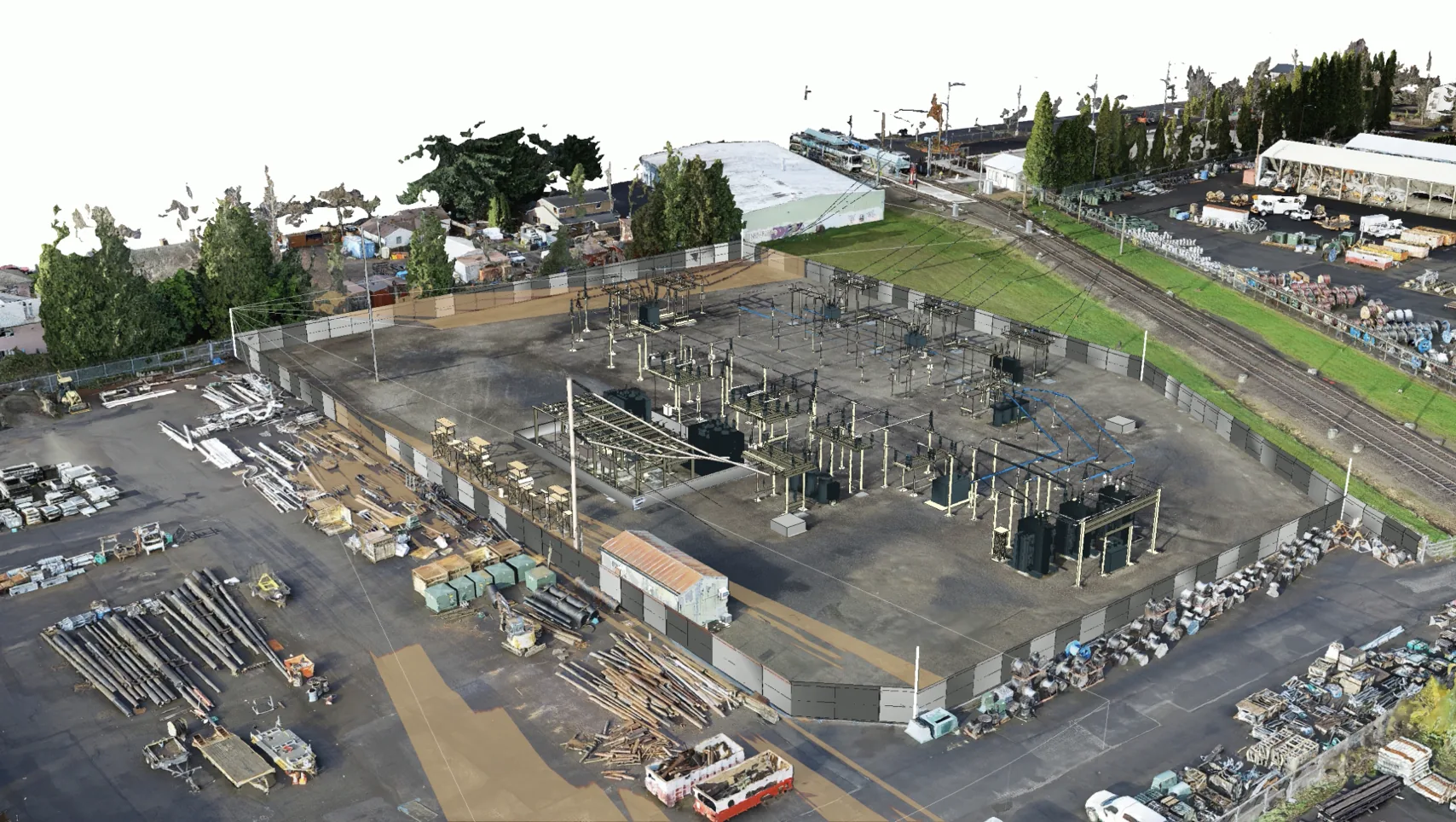
Validate coverage before you build
Solstrata uses 3D models to visualize camera coverage across the site, revealing gaps, overlap, and redundancy in real time. This allows teams to confirm performance, refine placement, and validate coverage decisions with confidence before anything is installed.
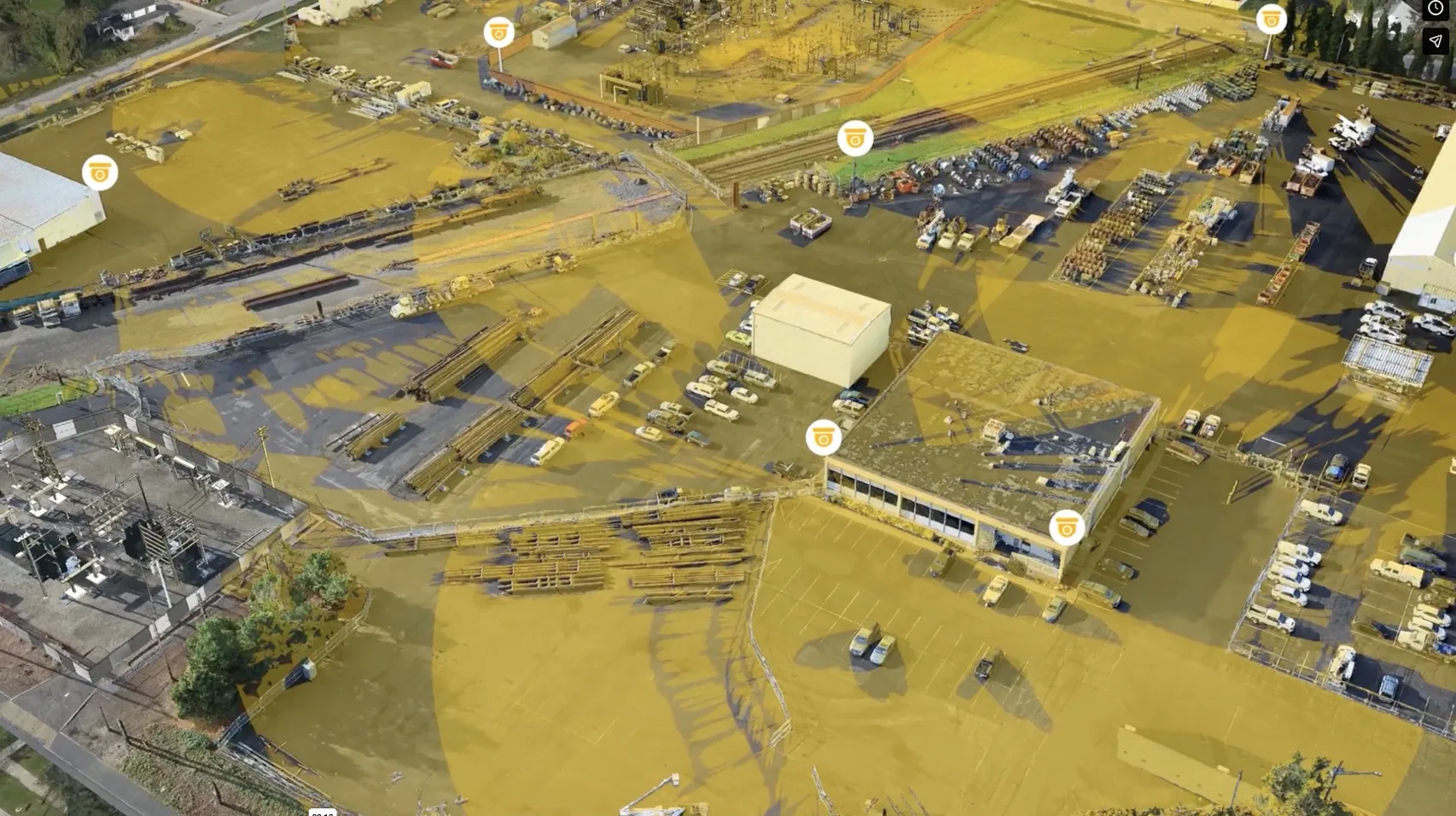
Design PTZ coverage in context
Solstrata simulates virtual PTZ views directly within the 3D site model, allowing teams to evaluate pan, tilt, and zoom coverage in real operational context. This makes it possible to confirm reach, overlap, and response coverage, refine placement, and ensure PTZ cameras support intended security workflows before installation.
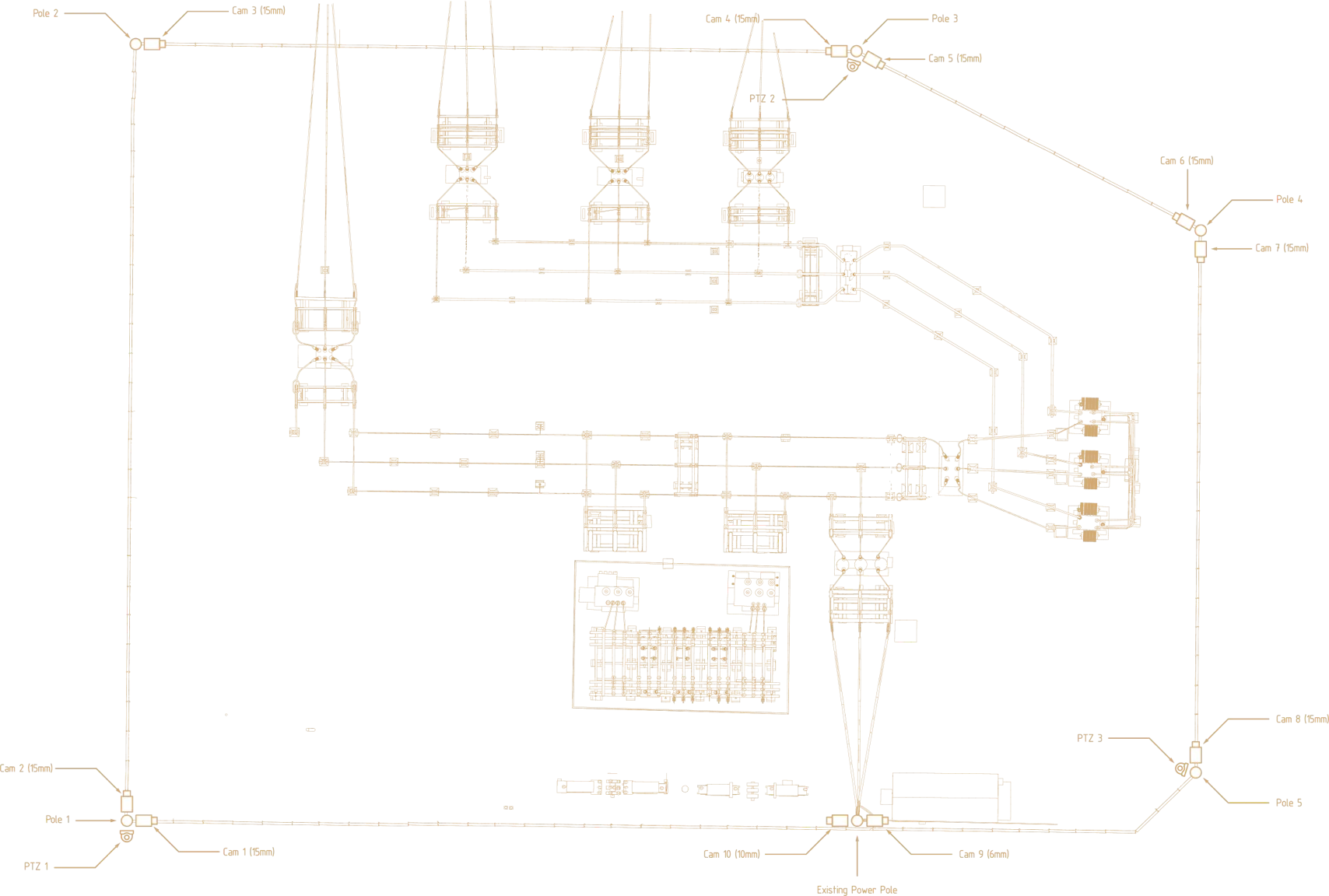
From analysis to construction ready
Each engagement concludes with a clear, actionable schematic design that translates security intent into buildable infrastructure. These schematics define camera locations, mounting concepts, and system layout in a format ready for detailed engineering and construction documentation, enabling a clean handoff and efficient progression to implementation.

Proudly headquartered in
Coronado, California.
Get in touch: info@solstrata.com